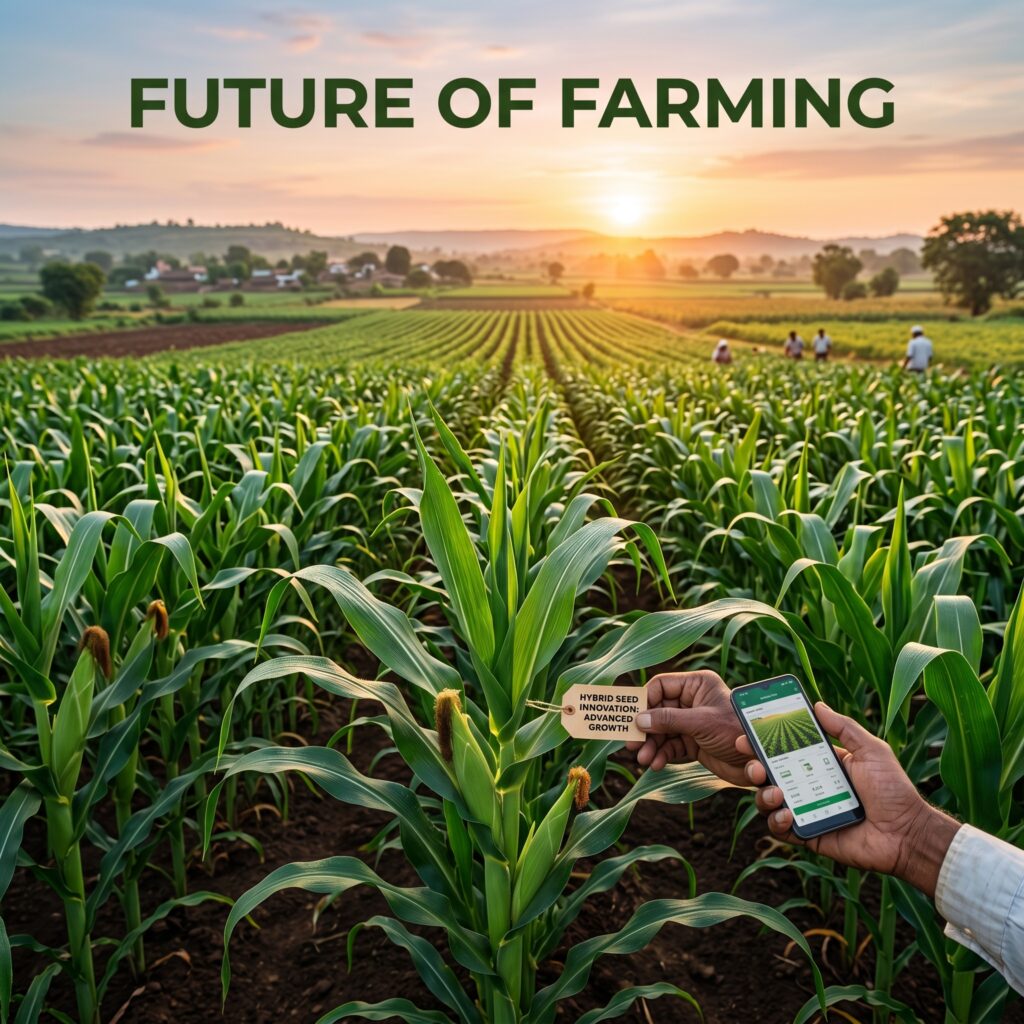
The agriculture industry is rapidly embracing digital transformation. Farmers, agribusinesses, seed companies, fertilizer manufacturers, and agricultural equipment dealers are increasingly using online platforms to connect with customers, generate leads, and grow their businesses. In 2026, having a strong digital presence is no longer optional—it’s essential.
Here are 10 proven digital marketing strategies that can help agriculture businesses stay competitive and reach more customers.
1. Build a Professional Website
Your website is the foundation of your digital presence. It acts as your online storefront and is often the first place potential customers learn about your business.
A professional website should include:
- Clear information about your products and services
- Contact details
- Customer testimonials
- High-quality images
- Mobile-friendly design
- Fast loading speed
A well-designed website builds trust and helps convert visitors into customers.
2. Invest in Search Engine Optimization (SEO)
SEO helps your website appear higher in Google search results when customers search for agricultural products or services.
Focus on:
- Agriculture-related keywords
- Local SEO optimization
- Blog content creation
- Optimized page titles and descriptions
- Fast website performance
For example, if someone searches for “best fertilizer supplier near me,” good SEO can help your business appear in the search results.
3. Create Valuable Blog Content
Content marketing is one of the most effective ways to attract potential customers.
Regularly publish articles about:
- Farming techniques
- Crop management
- Agricultural technology
- Industry trends
- Product guides
- Success stories
Helpful content positions your business as an industry expert and improves your search engine rankings.
4. Leverage Social Media Marketing
Social media platforms allow agriculture businesses to engage directly with their audience.
Best platforms include:
- YouTube
Share:
- Farm updates
- Product demonstrations
- Customer success stories
- Educational videos
- Behind-the-scenes content
Consistent social media activity increases brand awareness and customer engagement.
5. Use Video Marketing
Video content continues to dominate digital marketing in 2026.
Agriculture businesses can create videos such as:
- Product demonstrations
- Farm tours
- Equipment reviews
- Crop management tips
- Customer testimonials
Videos are highly engaging and can significantly increase audience trust and conversions.
6. Utilize Google Business Profile
A Google Business Profile helps local customers find your business quickly.
Benefits include:
- Appearing in Google Maps
- Displaying contact information
- Collecting customer reviews
- Improving local search visibility
Keeping your profile updated can increase inquiries and local customer traffic.
7. Run Targeted Google Ads
Google Ads allow agriculture businesses to reach potential customers who are actively searching for products or services.
Advantages:
- Immediate visibility
- Targeted audiences
- Flexible budgets
- Measurable results
For example, a tractor dealer can run ads targeting farmers searching for agricultural machinery in a specific region.
8. Implement Email Marketing
Email marketing remains one of the highest-return digital marketing channels.
Use email campaigns to:
- Share industry updates
- Announce new products
- Promote special offers
- Send educational content
- Nurture customer relationships
Regular communication helps keep your brand top-of-mind.
9. Use WhatsApp for Customer Engagement
WhatsApp has become a powerful communication tool for agriculture businesses.
It can be used for:
- Customer support
- Product inquiries
- Order updates
- Promotions
- Sharing catalogs
Quick responses and personalized communication improve customer satisfaction and trust.
10. Monitor Data and Improve Performance
Successful digital marketing requires continuous analysis and optimization.
Track key metrics such as:
- Website traffic
- Lead generation
- Conversion rates
- Social media engagement
- Advertising performance
Using tools like Google Analytics helps identify what is working and where improvements are needed.
Conclusion
Digital marketing is transforming the agriculture sector by helping businesses reach wider audiences, generate qualified leads, and build stronger customer relationships. From SEO and content marketing to social media, video content, and paid advertising, these strategies can drive sustainable growth in 2026 and beyond.
Agriculture businesses that embrace digital marketing today will be better positioned to compete, innovate, and thrive in an increasingly connected world.
Need help growing your agriculture business online? Farm Pixels specializes in digital marketing solutions tailored for the agriculture industry, helping brands increase visibility, generate leads, and achieve measurable results.